How Often Should You Replace Your Toothbrush? Essential Guide to Toothbrush Replacement and Dental Hygiene
Do you know your toothbrush can harbor bacteria? This can harm your oral health if not changed often. The American Dental Association suggests swapping out your toothbrush every 3-4 months. But what else affects when you should replace it, and how does this impact your dental care?
It’s key to replace your toothbrush to keep your mouth healthy. A worn-out toothbrush can spread bacteria, raising the risk of gum disease and cavities. A new toothbrush with stiff bristles cleans better, helping you maintain good oral hygiene.
Regularly changing your toothbrush, storing it right, and keeping it clean are all important. By understanding the need for toothbrush replacement and following good oral health practices, you can make sure your dental products work well. This helps keep your teeth and gums in top shape.
Key Takeaways
- Replace your toothbrush every 3-4 months to prevent bacterial growth and maintain oral hygiene.
- Use dental hygiene products that are effective in removing plaque and bacteria from teeth and gums.
- Proper storage and maintenance of your toothbrush are critical for avoiding oral health problems.
- Follow oral health tips, such as brushing for two minutes twice a day with fluoride toothpaste, to keep your mouth clean.
- Consider using a UV sanitizer or soaking your toothbrush in an antibacterial mouthwash to kill germs.
- Regular dental check-ups and professional cleanings are vital for the best oral health.
The Importance of Regular Toothbrush Replacement
Keeping up with an effective oral care routine is key for good dental health. Replacing your toothbrush regularly is vital. It helps stop oral diseases and keeps your brushing at its best.
Impact on Oral Health
Choosing the right toothbrush is important for your oral health. It helps avoid gingivitis, an early sign of periodontal disease. In the U.S., about 80% of adults have gingivitis. This can turn into serious dental problems if not treated with proper toothbrush care.
Bacterial Growth Concerns
Toothbrushes can collect bacteria, fungi, and other harmful germs over time. This buildup can be dangerous to your health. Replacing your toothbrush often is a must for good oral hygiene. It helps keep infections away and keeps your mouth clean.
Brushing Effectiveness Over Time
Toothbrush bristles lose their power to clean as they wear out. A worn-out toothbrush can’t clean well, making it hard to keep your teeth healthy. Replacing your toothbrush every three to four months ensures you’re using one that works well. This boosts the effectiveness of your brushing.
| Replacement Timeline | Signs to Replace |
|---|---|
| Every 3-4 Months | General guideline for toothbrush replacement. |
| Immediately | Bristles are frayed or matted. |
| After Illness | Post-viral or bacterial infections to prevent reinfection. |
| Visible Wear | Bristles lose their shape and flexibility. |
Signs It’s Time for a New Toothbrush
Checking your toothbrush regularly is key for good dental hygiene essentials. Knowing when to get a new toothbrush is important for your mouth’s health.

- Frayed Bristles: When bristles are splayed beyond the base, they become less effective at cleaning teeth.
- Curved Bristles: Permanently bent bristles can reduce the ability to reach all areas of your mouth.
- Soft Bristles: Extremely soft bristles wear out the cleaning efficiency and can harbor bacteria.
- Discoloration: Visible stains or discoloration may indicate bacterial buildup.
- Unpleasant Odor: Persistent bad smells can be a sign of inadequate sanitation.
These signs not only affect the effectiveness of brushing but also contribute to bacterial growth, compromising overall oral health. Following proper toothbrush storage tips and replacing it on time ensures the best toothbrush sanitation.
| Sign | Implication |
|---|---|
| Frayed Bristles | Reduced cleaning ability |
| Curved Bristles | Inadequate plaque removal |
| Soft Bristles | Decreased effectiveness and increased bacteria |
| Discoloration | Potential bacterial contamination |
| Unpleasant Odor | Poor sanitation practices |
Understanding Toothbrush Replacement Timelines for Different Types
Choosing the best toothbrush replacement options is key for good oral hygiene. Each type of toothbrush has its own replacement time to stay effective.

Manual Toothbrushes
A manual toothbrush should be replaced every three to four months. This keeps the bristles in good shape for cleaning. If the bristles are frayed, it’s time for a new one.
Electric Toothbrush Heads
Most electric toothbrush heads need to be replaced every three months. Changing them often keeps the brush clean and effective. Electric toothbrushes are among the top dental hygiene products for consistent cleaning.
Specialty Toothbrushes
Specialty toothbrushes, like orthodontic and interdental brushes, may need to be replaced more often. They are designed for specific needs, so timely replacement is important. Following essential oral health tips helps these brushes work well in your dental care routine.
Best Practices for Toothbrush Storage and Maintenance
Keeping your toothbrush clean and in good shape is key for healthy teeth and gums. Follow these tips to keep your toothbrush working well and germ-free until it’s time for a new one.

- Rinse Thoroughly: Rinse your toothbrush well after each use. This removes toothpaste and any leftover bits.
- Dry Completely: Let your toothbrush dry standing up. Don’t cover it, as dampness can lead to bacteria.
- Avoid Sharing: Make sure everyone has their own toothbrush. Sharing can spread germs.
- Store Properly: Keep toothbrushes away from the toilet. This helps avoid germs in the air.
- Use a Clean Storage Area: Pick a spot that’s clean and dry. Bathrooms with high humidity are not good places for toothbrushes.
Some people think UV sanitizers or mouthwash can clean toothbrushes. But these methods don’t really help and might even harm the bristles.
It’s smart to get a new toothbrush every three to four months. Also, change it after you’ve been sick to avoid getting sick again.
Choosing the Right Dental Hygiene Products for Your Needs
Choosing the best toothbrushes is key for good oral health. Knowing the difference between manual and electric toothbrushes helps make the right choice.
Manual vs. Electric Options
Manual toothbrushes are easy to find and don’t cost much. They’re great for those who like a simple brushing routine. Electric toothbrushes, like Philips Sonicare or Oral-B, clean better and are good for those with dexterity issues.
Bristle Types and Their Benefits
The bristles on your toothbrush are very important for toothbrush care. Soft bristles are best because they’re gentle on gums and remove plaque well.
| Bristle Type | Benefits |
|---|---|
| Soft | Gentle on gums, prevents enamel wear |
| Medium | Effective plaque removal, yet gentle |
| Hard | More durable, but can irritate gums |
Cost Considerations
Spending on good dental hygiene products is worth it in the long run. Electric toothbrushes cost more at first but clean better over time. Manual toothbrushes are cheaper and should be replaced every three to four months, as oral health recommendations suggest.

The Science Behind Toothbrush Wear and Tear
It’s key to know how toothbrushes wear out to keep our mouths clean. How we use and care for our toothbrushes affects its life and how well it cleans our teeth.
Bristle Degradation Process
Bristles on toothbrushes change a lot over time. Things like how we brush, the pressure we use, and the bacteria in our mouths make them wear out faster. After about 40 days of regular use, bristles start to get flared and can’t clean as well.
Impact on Cleaning Efficiency
When bristles get worn, they can’t remove plaque and food bits as well. Studies show that changing toothbrushes every 12 to 16 weeks leads to better mouth health. Worn-out bristles can cause more plaque, leading to gum disease and cavities.
| Timeframe | Condition of Bristles | Cleaning Efficiency |
|---|---|---|
| 0-40 Days | New and effective | High plaque removal |
| 40-90 Days | Bristles start to flare | Moderate plaque removal |
| 90+ Days | Bristles worn and frayed | Low plaque removal |
Environmental Considerations in Toothbrush Replacement
Choosing the right toothbrush is more than just about your teeth. It also affects the planet. Traditional plastic toothbrushes add a lot to waste and pollution. Looking into eco-friendly options can help a lot.
Bamboo toothbrushes are a great choice for the environment. They can be composted and break down easily. Some electric toothbrushes even have recyclable heads, which is good for the planet.
Using good toothbrush maintenance tips can also help the environment. Keeping your toothbrush clean and stored right makes it last longer. When it’s time for a new one, pick something that’s good for the planet.
Another smart move is to use old toothbrushes for other things. Like cleaning tight spots in your home. This way, your toothbrush gets a new job and doesn’t end up in the trash.
By choosing eco-friendly tooth care essentials, you help the planet. Supporting local brands that care about the environment is also a good idea. It cuts down on emissions and helps the planet in the long run.
Special Circumstances Requiring More Frequent Replacement
While we usually change our toothbrush every three to four months, some situations need more frequent changes. This is to keep our teeth and mouth clean and healthy.
After Illness
It’s very important to get a new toothbrush after you’ve been sick. This helps stop bacteria or viruses from coming back. The American Dental Association says it’s best to get a new toothbrush after illnesses like the flu or strep throat.
Orthodontic Treatment
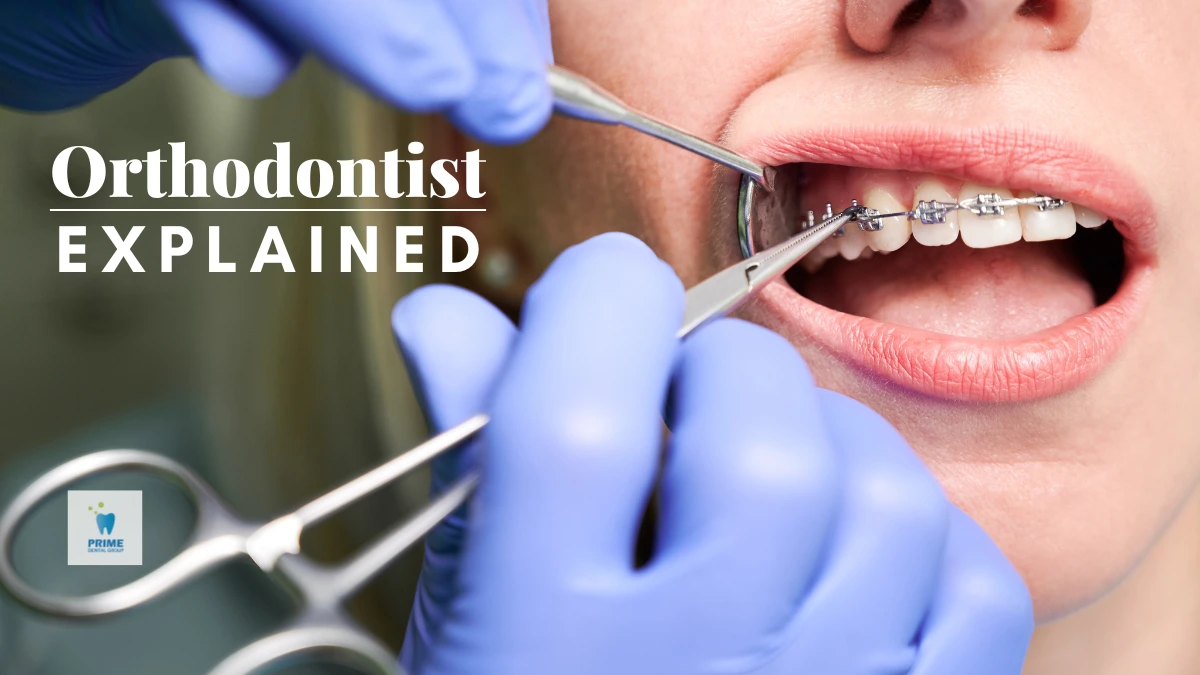
If you’re wearing braces, you’ll need to change your toothbrush more often. Braces can make your toothbrush wear out faster. Using special toothbrushes for braces can help keep your teeth clean.
Shared Bathroom Environments
If you live with others and share a bathroom, changing your toothbrush often is key. Sharing a bathroom means you’re more likely to get germs. So, changing your toothbrush regularly is important for your dental health.
| Situation | Recommended Replacement Frequency |
|---|---|
| General Use | Every 3-4 months |
| After Illness | Immediately after recovery |
| Orthodontic Treatment | Every 2-3 months |
| Shared Bathrooms | Every 2-3 months |
Conclusion: Maintaining Optimal Oral Health Through Proper Toothbrush Care
Keeping your mouth clean is key to your health. Replacing your toothbrush often helps remove plaque and bacteria. This is vital for good dental care.
Experts say to change your toothbrush every three to four months. Or sooner if the bristles get worn out. Using fluoride toothpaste and soft-bristled brushes makes your daily brushing better.
How you store and care for your toothbrush matters too. Keep it dry and separate from others to avoid contamination. This makes it last longer.
“Without good oral health, you are really compromising your lifestyle,” Kelman says. Regular dental visits every six months help catch problems early. This keeps your mouth healthy.
Healthy habits like eating right, drinking water, and not smoking also help. By focusing on dental care and choosing the right products, you can keep a healthy, bright smile.
FAQ
Why is regular toothbrush replacement important for oral health?
Replacing your toothbrush regularly is key for good oral health. Over time, bristles wear out and can’t clean as well. This can cause cavities and gum disease. Replacing your toothbrush every 3-4 months helps keep your teeth and gums healthy.
How can I tell when it’s time to replace my toothbrush?
Look for frayed or soft bristles. These signs mean your toothbrush isn’t cleaning well. Also, if your toothbrush smells bad, it’s time for a new one. Checking your toothbrush often keeps it clean and your oral care routine effective.
How often should I replace different types of toothbrushes?
Manual toothbrushes should be replaced every 3-4 months. Electric toothbrush heads need changing every 3 months too. Special toothbrushes, like orthodontic ones, might need to be replaced more often. Replacing them on time keeps your mouth healthy.
What are the best practices for toothbrush storage and maintenance?
Rinse your toothbrush well after each use. Store it upright to dry. Don’t keep toothbrushes in closed spaces, as this can breed bacteria. Also, keep your toothbrush separate from others to stay clean.
Should I replace my toothbrush more frequently after being ill?
Yes, replace your toothbrush after being sick, like with the flu. This stops you from getting sick again. People with orthodontic treatment might need to replace their toothbrushes more often too.
What eco-friendly alternatives are available for toothbrush replacement?
Try bamboo toothbrushes or electric ones with recyclable heads. These options are better for the planet. Using them helps reduce waste and supports environmentally friendly dental care.
How do worn-out bristles affect brushing effectiveness?
Worn bristles can’t clean your teeth and gums well. This makes your oral hygiene routine less effective. Replacing your toothbrush regularly keeps it working well for your oral health.
What factors contribute to the wear and tear of a toothbrush?
Brushing too hard or using the wrong technique can damage your toothbrush. Bacteria in your mouth also affect bristles. Knowing this helps you take better care of your toothbrush.
Are there cost-effective options for high-quality toothbrushes?
Yes, buying good toothbrushes can save money in the long run. Brands like Philips Sonicare and Oral-B offer affordable options. They help keep your mouth clean without breaking the bank.
How does toothbrush maintenance impact overall oral hygiene?
Keeping your toothbrush clean and replacing it often is key. It stops harmful bacteria and removes plaque well. This supports a strong oral hygiene routine and improves your oral health.
Source Links
- How Often Should You Change Your Toothbrush? – https://www.bgwdentalgroup.com/how-often-should-you-change-your-toothbrush/
- Why Everyone REALLY Needs to Change Their Toothbrush Every 3 Months – https://www.goodhousekeeping.com/health/a45999793/how-often-to-change-toothbrush/
- Taking Care of Your Teeth and Mouth – https://www.nia.nih.gov/health/teeth-and-mouth/taking-care-your-teeth-and-mouth
- Toothbrushes | American Dental Association – https://www.ada.org/resources/ada-library/oral-health-topics/toothbrushes
- When Should I Change My Toothbrush? – https://myprecisiondental.com/when-should-i-change-my-toothbrush/
- 5 Signs That It’s Time to Change Your Toothbrush – https://www.dentistryofwestbend.com/get-your-toothbrush-ready-5-signs-that-you-need-to-change-your-toothbrush/
- How to Know When You Need a New Toothbrush – The Village Dentistry – https://thevillagedentistry.com/how-to-know-when-you-need-a-new-toothbrush/
- How Long Should You Use a Toothbrush? – https://myprecisiondental.com/how-long-should-you-use-a-toothbrush/
- A Guide to the Right Time to Replace Your Toothbrush | Kidz & Family Dental Center – https://www.kidzfamilydental.com/a-guide-to-the-right-time-to-replace-your-toothbrush/
- Oral Hygiene Tips: How To Properly Store Your Family’s Toothbrushes – Sonoran Desert Dentistry Scottsdale Arizona – https://sonorandesertdentistry.com/blog/oral-hygiene-tips-how-to-properly-store-your-familys-toothbrushes/
- Toothbrush Care and Maintenance: Tips to Extend Your Brush’s Life. – https://larrymolendadds.com/toothbrush-care-and-maintenance-tips-for-prolonging-the-life-of-your-brush/
- How to Organize Toothbrushes: SNOWs Storage Solutions – https://www.trysnow.com/blogs/news/how-to-organize-toothbrushes?srsltid=AfmBOopn_HAZdFheAwuIcNf1FhH–PTByB74u6SW9j4vVF8AU4x3K9Ps
- Ultimate Guide to the Best Oral Hygiene Products – https://www.kneibdentistry.com/dentistry-blog/ultimate-guide-to-the-best-oral-hygiene-products
- Choosing Your Toothbrush & Toothpaste Tips | Northridge Dentist – https://drkevingropp.com/blog/tips-choosing-toothbrush-toothpaste/
- The Ultimate Guide To Choosing The Perfect Toothbrush And Toothpaste For A Healthy Smile • Land Of Smile – https://landofsmile.com.tr/blog-post/perfect-toothbrush-and-toothpaste/
- How Often Should You Change Your Toothbrush? Healthy Etiquette – https://www.healthline.com/health/how-often-should-you-change-your-toothbrush
- Spring Clean Your Oral Health Routine: 9 Tips Backed By Science! – https://www.dentistcorpuschristitexas.com/oral-health-routine-tips/
- How to Make Your Oral Care Routine More Eco-Friendly – https://risasdental.com/how-to-make-your-oral-care-routine-more-eco-friendly/
- The Environmentalist’s Guide To Brushing Your Teeth Sustainably – https://mysuperbdentalcare.com/the-environmentalists-guide-to-brushing-your-teeth-sustainably/
- How often to replace toothbrush heads and batteries – https://eu.spotlightoralcare.com/blogs/news/how-often-to-replace-toothbrush-heads-and-batteries
- How Often Should I Replace My Toothbrush? – https://bigmouthtoothbrush.com/blogs/news/how-often-should-i-replace-my-toothbrush?srsltid=AfmBOooMT8_QoWYCVXYpOWkFNBU5EUgEO2y26BG91wu0X8DxDJruATzk
- How Often Should You Replace Your Toothbrush – A Dentist’s Advice? – https://martindaledental.com/how-often-should-you-replace-your-toothbrush/
- Maintaining Optimal Oral Health: Tips for Between Dental Visits – https://greenmeadowdental.com/blog/maintaining-optimal-oral-health-tips-for-between-dental-visits/
- Healthy Smile Tips for Daily Oral Hygiene | Fitzgerald Dentistry – https://www.fitzgeralddentistry.com/blog/healthy-smile-tips-for-daily-oral-hygiene/