The Science Behind Plaque and How to Fight It Daily: Complete Guide to Tartar Prevention
Ever wondered how a healthy smile can start with a simple film on our teeth? Dental plaque, full of billions of bacteria, can cause tooth decay, bad breath, and gum disease if not managed. Good brushing habits and oral care are key to stop tartar buildup, which can harm teeth in just a few months. Understanding dental plaque and tartar prevention is vital. It helps us keep our teeth healthy through daily care and regular dental visits.
Learning about dental plaque and its effects on our teeth is the first step to a clean smile. With the right brushing, prevention methods, and diet, we can lower gum disease risks and improve our oral health. So, how do we fight dental plaque and stop tartar buildup every day?
Key Takeaways
- Understanding dental plaque is key for good oral health
- Good brushing and oral care stop tartar buildup
- Regular dental visits remove hardened plaque and prevent gum disease
- A balanced diet and less sugary foods and drinks help oral health
- Fluoride toothpaste and water prevent tooth decay and strengthen enamel
- Daily oral care routines lower gum disease risks and promote a healthy smile
Understanding Dental Plaque: The Sticky Enemy
Dental plaque is a big problem for keeping your dental health in top shape. This sticky film can cause serious mouth problems if not handled right.
What Is Dental Plaque?
Dental plaque is a biofilm made of billions of bacteria stuck in a gooey layer. It sticks to your teeth, making it key to remove it often to avoid issues.
How Plaque Forms on Teeth
Plaque starts when bacteria stick to your teeth and grow into colonies. Eating too much sugar and not brushing well makes it worse. This increases the chance of tooth decay and gum disease.
The Bacterial Composition of Plaque
More than 300 types of bacteria live in dental plaque, with over 8 billion in our mouths. These bacteria make acids that harm tooth enamel and cause gum inflammation. This leads to many dental issues.
| Fact | Detail |
|---|---|
| Bacteria Count | Over 8 billion bacteria in the mouth |
| Tartar Formation | Can form in as little as 24 hours |
| Dental Visits | Recommended every 6 months for cleaning |
| Plaque Consequences | Leads to tooth decay and gum disease |
The Journey from Plaque to Tartar
Plaque hardening is the start of calculus formation. It turns soft plaque into hard tartar. This happens when plaque isn’t cleaned off regularly, allowing minerals to build up. In just 24 to 72 hours, plaque can turn into hard tartar, making it key to prevent tartar buildup.
Good oral hygiene is key to stop tartar. Dentists say brush your teeth twice a day for two minutes with fluoride toothpaste. Electric toothbrushes, like those with oscillating heads, clean better than manual ones, cutting down plaque and gingivitis.
Don’t forget to floss once a day. It gets rid of plaque in spots toothbrushes can’t reach. Regular flossing also fights gum disease, linked to plaque buildup.
Tartar can form above and below the gum line. Supragingival tartar can be managed with brushing and flossing. But subgingival tartar needs a dentist to clean it off.
| Tartar Type | Location | Removal Method |
|---|---|---|
| Supragingival Tartar | Above the gum line | Regular brushing and flossing |
| Subgingival Tartar | Below the gum line | Professional dental cleaning |
How Dental Plaque Affects Your Oral Health
Dental plaque is more than just a nuisance; it plays a significant role in various aspects of your oral and overall health. Regular oral hygiene practices are essential to combat plaque buildup and maintain a healthy smile.

Impact on Tooth Enamel
The bacteria in plaque produce acids that erode tooth enamel, increasing the risk of cavities. Effective tooth decay prevention involves removing plaque through brushing and flossing to protect your teeth from these damaging acids.
Connection to Gum Disease
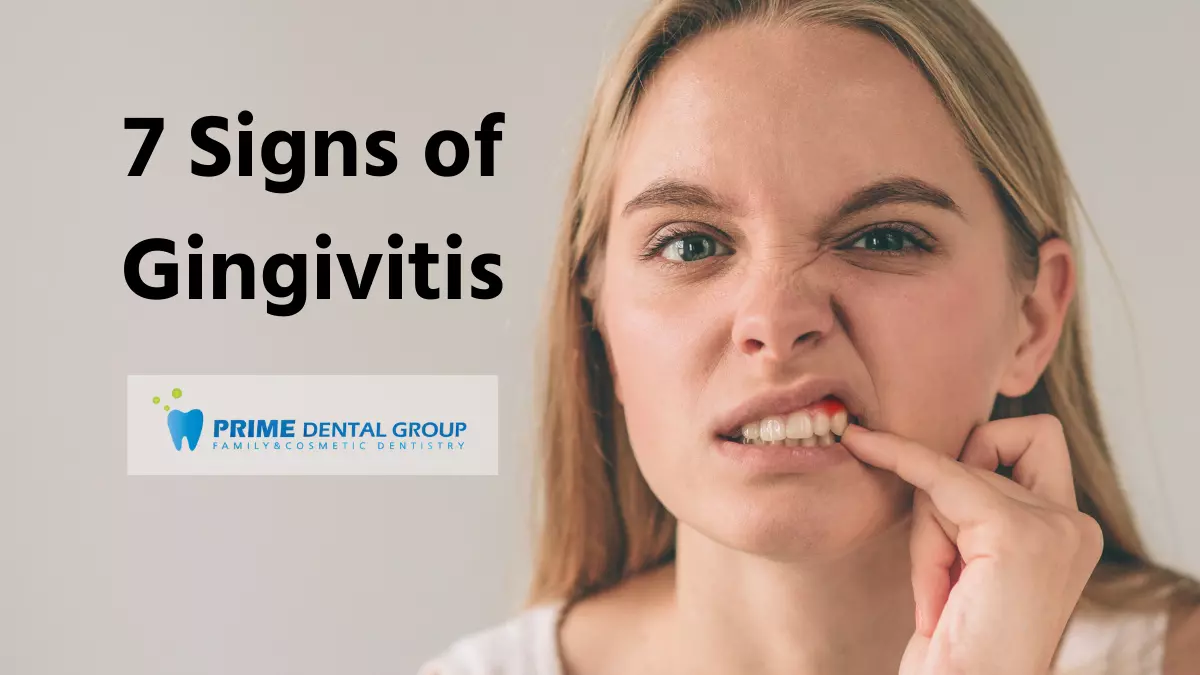
When plaque accumulates along the gum line, it can lead to gingivitis, an early stage of gum disease. If not addressed, gingivitis may progress to periodontitis, severely affecting gum health and potentially leading to tooth loss.
Systemic Health Connections
Emerging research links poor oral hygiene to systemic conditions such as heart disease, diabetes, and even dementia. Maintaining good oral hygiene practices is key for both your mouth and overall health.
Essential Tools for Fighting Dental Plaque
Keeping your mouth healthy needs the right tools. Choosing the best toothbrush for plaque prevention is key. A soft-bristled toothbrush with a small head can get into all parts of your mouth safely.

Fluoride toothpaste is vital to stop tooth decay. It makes enamel stronger and can even fix early cavities. Adding proper flossing techniques to your day helps remove plaque between teeth, where brushes can’t go.
- Dental Floss: Traditional string floss works well, but waxed floss is better for tight spaces.
- Water Flossers: Tools like Waterpik help remove plaque, great for those with braces or dental appliances.
- Interdental Cleaners: These are perfect for cleaning big gaps between teeth.
Adding an antiseptic mouthwash to your routine can cut down plaque and kill bad bacteria. Using these oral hygiene tips regularly can greatly boost your dental health and stop tartar from forming.
Mastering Your Brushing Technique
Proper tooth brushing is key to keeping your mouth healthy and preventing plaque. Learning the best tooth brushing techniques can make your daily brushing better.

Proper Brush Positioning
Hold your toothbrush at a 45-degree angle toward your gum line. This helps remove plaque from teeth and gums well. Make sure to clean all sides of each tooth.
Timing and Pressure
Brush for at least two minutes, twice a day. Morning and night brushing is what dentists suggest. Use gentle pressure to protect your teeth and gums. Choose a medium-hard toothbrush for the best cleaning.
Common Brushing Mistakes
- Excessive Pressure: Too much pressure can damage your enamel and hurt your gums.
- Short Duration: Brushing for under two minutes might not get rid of all plaque.
- Neglecting Areas: Skipping the inner surfaces and chewing areas can cause plaque to build up.
Change your toothbrush every three months and use proper brushing techniques for consistent cleaning. Electric toothbrushes can help too, with their automated motions that remove plaque better.
| Brushing Aspect | Recommendation |
|---|---|
| Frequency | Twice daily |
| Duration | At least two minutes |
| Brush Angle | 45 degrees toward the gum line |
| Toothbrush Type | Medium-hard with small brush heads |
| Replacement | Every three months |
The Role of Professional Dental Cleanings
Keeping your teeth clean is more than just brushing and flossing. Professional teeth cleaning is key for tartar removal and better oral health.
Dentists use special tools during a cleaning to get rid of plaque and tartar that brushing can’t. This includes:
- Scaling: Removing tartar from above and below the gum line.
- Polishing: Smoothing the tooth surface to prevent future plaque buildup.
- Flossing: Cleaning between teeth to ensure no debris remains.
- Fluoride Treatment: Strengthening enamel against decay.

The American Dental Association says to get professional teeth cleaning every six months. But, if you’re at high risk for gum disease or have orthodontic treatments, you might need to go more often, like every three months.
Going for regular dental care helps avoid gum disease and tooth loss. It also stops cavities by removing plaque. Plus, it keeps your health in check by preventing heart disease and diabetes.
| Frequency | Benefits |
|---|---|
| Every 6 Months | Standard maintenance, tartar removal, cavity prevention. |
| Every 3 Months | Ideal for high-risk individuals, orthodontic patients, enhanced gum health. |
| Annually | Suitable for low-risk patients with excellent home care. |
Adding professional teeth cleaning to your routine helps keep your smile healthy and bright for years to come.
Natural Methods for Plaque Control
Adding natural methods to your oral care routine can boost plaque removal and dental health. These methods work well with traditional care, helping keep your smile healthy.
Dietary Choices
Your diet greatly affects your oral health. Choosing the right foods can help fight plaque and support your teeth.
- Crunchy fruits and vegetables like apples, carrots, and celery clean your teeth naturally. They remove food and plaque.
- Reducing sugary foods and drinks lowers plaque risk. Sugar feeds bacteria that cause plaque.
- Eating aged cheeses like cheddar helps neutralize mouth acids. This protects tooth enamel and prevents decay.
Natural Remedies
Many natural remedies can help control plaque, providing alternatives to common products.
- Oil pulling with coconut or sesame oil reduces mouth bacteria. It improves oral hygiene.
- Baking soda can be used as a toothpaste substitute. It gently removes plaque from teeth.
- A blend of water, aloe vera gel, and lemon essential oil makes a natural mouthwash. It fights harmful bacteria.
Using these natural methods with regular brushing and flossing offers a complete dental care plan. While helpful, they should not replace professional dental visits for the best oral health.
Advanced Strategies for Tartar Prevention
Using advanced tools can boost your oral hygiene and help prevent tartar. These methods are great for those who often get tartar or have dental appliances.
Using Water Flossers
Water flossers are good at getting to spots that regular floss can’t. They blast away plaque and food bits around braces and implants. Adding a water flosser to your daily routine helps clean hard spots well.
Special Tools for Problem Areas
Interdental brushes and dental picks are perfect for spots where tartar likes to hide. Interdental brushes fit between teeth and around dental work. Dental picks get rid of stuff under the gumline. Using these tools with brushing and flossing makes sure your mouth is clean all over.
| Tool | Function | Benefits |
|---|---|---|
| Water Flossers | Use water streams to clean between teeth and around dental appliances. | Effective for removing plaque in hard-to-reach areas, reduces gum inflammation. |
| Interdental Brushes | Clean spaces between teeth and around braces or bridges. | Prevents tartar buildup, easy to use, reusable. |
| Dental Picks | Remove debris below the gumline. | Enhances oral hygiene practices, aids in tartar prevention. |
Creating Your Daily Oral Care Routine
Having a daily oral care routine is key to keeping your teeth and gums healthy. Simple oral hygiene tips can make a big difference in your dental health.
- Brushing Twice Daily: Brush your teeth twice a day, after meals if possible. Wait 30 minutes after eating to let saliva work. Brush for at least four minutes and change your toothbrush every three to four months.
- Flossing Once Daily: Flossing gets rid of food and plaque between teeth and under the gumline. Do it before bed for the best results.
- Using Antiseptic Mouthwash: Mouthwash keeps your breath fresh and fights bacteria. Pick one that fights plaque and strengthens gums for better dental care.
Being consistent is the secret to good best dental hygiene practices. Here are some tips to make these habits part of your daily life:
- Use phone reminders to brush and floss.
- Keep your dental care items easy to find.
- Link oral care to your daily routines, like morning coffee or evening wind-down.
Adjusting your routine to fit a busy schedule helps keep your oral health on track without hassle.
| Oral Care Activity | Recommendation | Benefits |
|---|---|---|
| Brushing | Twice daily for 4 minutes each | Removes plaque, prevents cavities |
| Flossing | Once daily before bedtime | Clears interdental areas, reduces gum disease |
| Mouthwash | After brushing | Freshens breath, fights bacteria |
Technology and Innovation in Plaque Prevention
New dental tech is changing how we keep our mouths clean. It brings better ways to remove plaque and protect our dental health. These innovations meet different needs for oral care.
Smart Toothbrushes
Smart toothbrushes have sensors and timers to help you brush right. They track how often and how well you brush through apps. This gives you tips to improve your oral hygiene.
Smart toothbrushes have cool features like:
- Pressure sensors to avoid gum harm
- Timers for the right two-minute brush time
- App links for tracking and better brushing
New Dental Products
New dental items help with brushing and flossing. Special toothpaste strengthens teeth, and advanced floss gets to hard-to-reach spots. This ensures all plaque is gone.
Some new products are:
- Ultrasonic scalers for deep cleaning
- Air-polishing tools for gentle cleaning
- AI oral health monitors for custom advice
Conclusion: Your Path to a Plaque-Free Smile
Keeping your smile plaque-free is possible with daily oral care. Brush your teeth twice a day with fluoride toothpaste to remove plaque. Floss once a day to get rid of food and plaque in hard-to-reach areas.
Regular dental visits, twice a year, are key to preventing tartar. Dentists can clean your teeth thoroughly and apply sealants to stop plaque. Using electric toothbrushes and water flossers can also boost your oral care.
Eating healthy, like cutting down on sugary foods, helps control plaque. Drinking water helps wash away bacteria and food, keeping your teeth healthy. Quitting tobacco also improves your oral health and lowers the risk of dental problems.
Dr. Jose David Sanchez at Sedation and Implant Dentistry of Tehachapi stresses the need for a complete oral care plan. With 46 years of experience, his team offers advanced services like same-day dental implants. This ensures Kern County residents get the best dental care.
By following these dental health tips and sticking to a routine, you can stop plaque and tartar buildup. These small steps can greatly improve your oral health, preventing tooth decay and gum disease. Start these practices today for a healthy, plaque-free smile.
FAQ
What is the best toothbrush for plaque prevention?
For plaque prevention, choose a toothbrush with soft bristles and an ergonomic design. This design helps reach all parts of your mouth. Electric toothbrushes are top picks because they offer consistent brushing and timers for the two-minute brush time.
Brands like Philips Sonicare and Oral-B have models that help reduce plaque. They are designed to keep your teeth clean.
How often should I floss to prevent tartar buildup?
Flossing daily is key to removing plaque and food particles between teeth. This prevents tartar buildup and gum disease. Use the right flossing technique to clean effectively.
Can my diet affect plaque formation?
Yes, your diet affects plaque formation. Foods high in sugar and starch increase plaque-producing bacteria. Eating crunchy fruits and vegetables helps clean your teeth.
Drinking water also helps by washing away food and bacteria.
What are the best oral hygiene practices for preventing gum disease?
To prevent gum disease, brush at least twice a day with fluoride toothpaste. Floss daily and use an antiseptic mouthwash. Regular dental cleanings every six months are also important.
How do electric toothbrushes aid in plaque removal?
Electric toothbrushes remove plaque better than manual brushes. They have consistent motions and timers to ensure proper brushing time. Pressure sensors prevent hard brushing that can harm gums.
Many models have special brush heads for hard-to-reach areas.
Are there any natural remedies that can aid in tartar prevention?
Yes, natural remedies can help. Oil pulling with coconut oil reduces bacteria. Herbal mouthwashes with tea tree oil have antibacterial properties.
Baking soda can be used as a toothpaste alternative to neutralize acids and remove stains. But, don’t forget to brush and floss regularly.
How does oral hygiene impact overall systemic health?
Poor oral hygiene can harm your overall health. It’s linked to heart disease, diabetes, and respiratory infections. Good oral hygiene prevents harmful bacteria from spreading.
What are effective plaque removal techniques beside brushing and flossing?
There are many ways to remove plaque. Use interdental brushes or dental picks for between teeth. Water flossers are great for those with braces or implants.
Mouthwashes with antibacterial properties can also help reduce plaque.
How can I create a personalized daily oral care routine?
Create a routine that fits your life. Brush twice a day with the right toothbrush. Floss daily to remove plaque between teeth.
Use an antiseptic mouthwash and schedule dental cleanings. Adjust your routine based on your dental needs and get advice from your dentist.
What are the latest innovations in plaque prevention and oral care?
New innovations include smart toothbrushes that track your brushing. They connect to apps for feedback. Advanced toothpaste targets specific dental issues like sensitivity and whitening.
AI-powered tools offer personalized care based on your brushing habits. These advancements make maintaining dental health easier.
Source Links
- Tartar Build-Up & Your Teeth | SNODGRASS-KING – https://snodgrassking.com/what-to-know-about-tartar-and-your-teeth/
- Oral Hygiene – https://www.nidcr.nih.gov/health-info/oral-hygiene
- The Sticky Truth – What Really Causes Tooth Plaque and How You Can Prevent It – Claremont Dental Perth – https://www.claremontdentalperth.com.au/news/causes-of-tooth-plaque/
- Lifetime Cosmetic Dentistry – https://atxdentistry.com/blog/plaque-a-mouths-worst-enemy
- The Unseen Enemy: How to Defeat Dental Plaque and Protect Your Teeth – https://www.premierdentistryofeagle.com/the-unseen-enemy-how-to-defeat-dental-plaque-and-protect-your-teeth/
- Plaque and tartar on teeth – UF Health – https://ufhealth.org/conditions-and-treatments/plaque-and-tartar-on-teeth
- How to remove plaque and tartar: Best home treatments – https://www.medicalnewstoday.com/articles/324341
- Plaque on Teeth Causes and How to Remove Plaque Buildup | LISTERINE® – https://www.listerine.com/attack-plaque/what-is-plaque
- Plaque and Your Teeth – https://www.webmd.com/oral-health/plaque-and-your-teeth
- Dental Plaque: Unveiling Its Impact on Oral Health & Prevention Strategies – https://www.mywellnessdental.com/blog/dental-plaque/
- Dental Plaque and Tartar: Causes, Prevention, and Removal – https://crest.com/en-us/oral-care-tips/tartar-and-plaque/plaque-tartar-causes-prevention-removal?srsltid=AfmBOoqQOW2ebtSCi3ox08PZMeyUe7UndTU8aVAWPPcCDAHtZA5uU85A
- Tartar (Dental Calculus): 6 Tips to Remove Tartar Buildup – https://www.webmd.com/oral-health/tartar-dental-calculus-overview
- Dental Tools and Techniques for Teeth Cleanings – https://www.aestheticdentalassoc.com/services/general-dentistry/dental-cleanings/dental-tools-and-techniques/
- Tackling Tartar: A How-To Guide for Dental Plaque Self-Care – https://www.psdentalservices.com/dental-plaque-self-care/
- Mastering Tooth Brushing Techniques: The Right Way to Ensure Oral Health – https://www.dentevim.com/en/mastering-tooth-brushing-techniques-the-right-way-to-ensure-oral-health
- Mastering the Art of Toothbrushing: Techniques for a Healthier Smile – O2 Dental Group – https://o2dentalgroup.com/mastering-the-art-of-toothbrushing-techniques-for-a-healthier-smile/
- The Importance of Professional Dental Cleanings – GEDC – https://www.greatexpressions.com/importance-of-professional-dental-cleanings/
- The Role of a Dentist in Maintaining Oral Hygiene Beyond Brushing – https://mysierradental.com/the-role-of-a-dentist-in-maintaining-oral-hygiene-beyond-brushing/
- 19 Amazing Home Remedies for Removing Plaque Naturally – https://www.carefreedental.com/resources/16-dental-tips/116-19-amazing-home-remedies-for-removing-plaque-naturally
- 4 Home Remedies for Stubborn Plaque | Dublin Corners Dental – https://dublincornersdental.com/blog/home-remedies-plaque/
- Lifetime Cosmetic Dentistry – https://atxdentistry.com/blog/tartar-how-to-manage-and-fight-it
- How to Keep Your Gums and Teeth Healthy – https://www.urmc.rochester.edu/Encyclopedia/content?ContentTypeID=1&ContentID=1409
- Tips to prevent plaque buildup – https://sunshinesmilesdentistry.com/tips-to-prevent-plaque-buildup/
- The 6 steps to make your dental hygiene routine perfect – Yotuel – https://yotuel.com/en/blog/the-6-steps-to-make-your-dental-hygiene-routine-perfect/
- What Is Tartar and How to Prevent Buildup on Teeth | LISTERINE® – https://www.listerine.com/attack-plaque/what-is-tartar-buildup-teeth
- Tips for Preventing Plaque Buildup and Maintaining Good Oral Health – https://www.broomfielddentists.com/tips-for-preventing-plaque-buildup-and-maintaining-good-oral-health/
- Plaque Removal – AI Smartbrush Benefits | Feno – https://feno.co/blogs/oral-health/maximizing-plaque-removal-with-ai-powered-smartbrushes?srsltid=AfmBOoos5urjMLgG9-w5GL7WhdamntuWesOSmMOJsBi_e_ZPYYWPyTku
- Master Plaque Removal Techniques With Our Dental Hygiene Tips For Effective Tartar Control – https://exceldental.ca/oral-hygiene/plaques-nemesis-innovative-strategies-for-combatting-buildup/
- Effective Strategies to Prevent Plaque Buildup – https://dentisttehachapi.com/ways-you-can-prevent-plaque-buildup/
- The Importance of Oral Health and Plaque – – https://hpsdental.com/the-importance-of-oral-health-and-plaque/